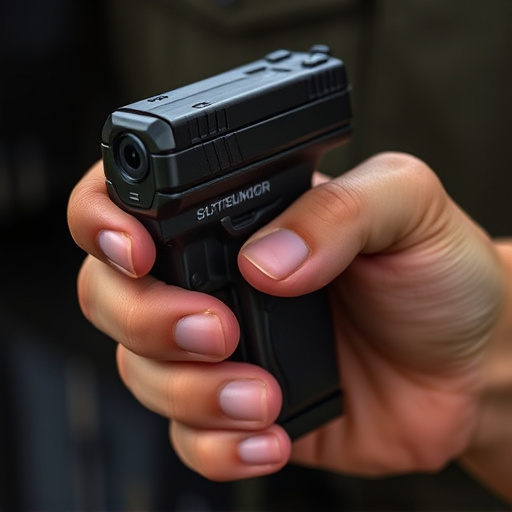
In the US, laws surrounding slider stun gun (Taser) ownership vary greatly from state to state, with regulations ranging from permissive to stringent. Prospective owners must navigate age restrictions, background checks, training requirements, and specific purchase reasons, differing across states. Understanding these state-specific laws is crucial for legal compliance and responsible usage, as some states allow unrestricted ownership while others enforce strict permits or bans.
“Unravel the complexities of civilian tasers ownership through this comprehensive guide. In an era where personal safety is paramount, understanding state laws regarding slider stun guns (also known as tasers) is essential. This article offers a detailed look at ‘Understanding Citizen Taser Ownership Laws’ and ‘State-by-State Regulations’, providing insights into the legal landscape. Additionally, we explore crucial considerations for acquiring and carrying these devices, ensuring you’re informed before making a decision.”
- Understanding Citizen Taser Ownership Laws: A Comprehensive Overview
- State-by-State Regulations: Unraveling the Legal Landscape
- Important Considerations for Acquiring and Carrying a Civilian Taser
Understanding Citizen Taser Ownership Laws: A Comprehensive Overview

Understanding Citizen Taser Ownership Laws: A Comprehensive Overview
In many jurisdictions across the United States, the ownership and use of a slider stun gun, or taser, are subject to stringent legal regulations aimed at balancing personal protection with public safety. These laws vary significantly from state to state, reflecting diverse perspectives on civilian armament. For individuals considering acquiring a taser for self-defense, navigating these requirements is crucial. Each state has its own set of criteria that prospective owners must meet, encompassing age restrictions, background checks, training mandates, and even specific reasons for purchase.
Understanding these laws involves familiarizing oneself with not only the applicable regulations but also any local ordinances that may further restrict or regulate taser ownership. Some states permit unrestricted civilian ownership, while others require permits or licenses. Still, others have banned the sale and possession of stun guns entirely. Staying informed about these legal nuances ensures compliance and promotes responsible taser usage.
State-by-State Regulations: Unraveling the Legal Landscape
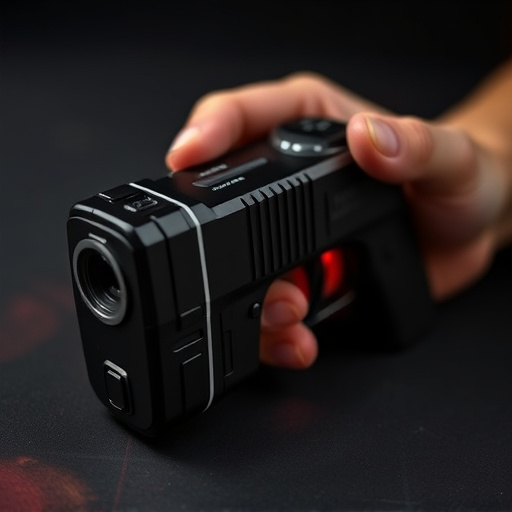
In the United States, the legal landscape surrounding civilian ownership of a slider stun gun, or Taser, varies significantly from state to state. Each state has its own set of regulations and requirements for acquiring, carrying, and using these devices. Understanding these laws is essential for individuals considering purchasing a Taser for personal protection.
Some states have relatively lenient rules, allowing qualified citizens to carry stun guns without a license or permit. Others have stringent requirements, including mandatory training, background checks, and permits. Certain states also differentiate between types of Tasers, with restrictions based on voltage output or specific features. Navigating these state-by-state regulations is crucial for ensuring compliance and responsible ownership of a slider stun gun.
Important Considerations for Acquiring and Carrying a Civilian Taser
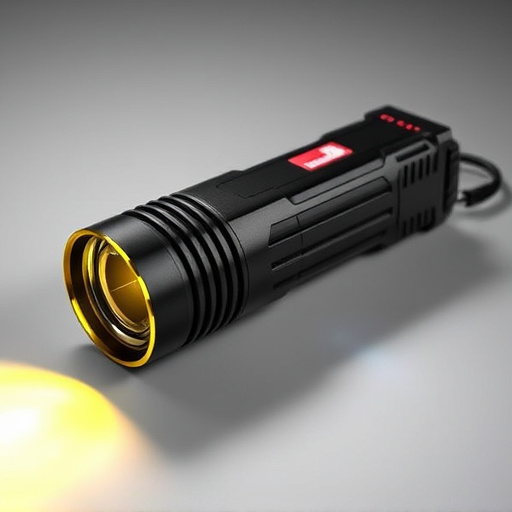
Acquiring and carrying a civilian taser, also known as a slider stun gun, involves several important considerations. Firstly, understand that state laws regarding stun guns vary widely, so it’s crucial to research and comply with your local regulations. Some states have strict requirements for purchasing and owning a taser, including background checks, training, and licensing. Additionally, certain areas may restrict where and how you can carry the device, so ensure you’re aware of these restrictions to avoid legal issues.
Beyond legalities, consider practical aspects. Stun guns should be treated like any other self-defense tool—you should be proficient in its use and understand its limitations. Proper training ensures not only effective deployment but also responsible handling. Additionally, remember that a taser is not a substitute for common sense; always prioritize de-escalation techniques and only use force when necessary.
In the pursuit of personal safety, understanding state laws regarding civilian Taser ownership is paramount. This article has provided a comprehensive overview of the legal landscape across various states, highlighting the diverse requirements and considerations for acquiring and carrying a slider stun gun. By navigating these regulations, responsible citizens can ensure they remain within the law while protecting themselves and their loved ones. Remember, staying informed about your rights and responsibilities is key to fostering a safer community.